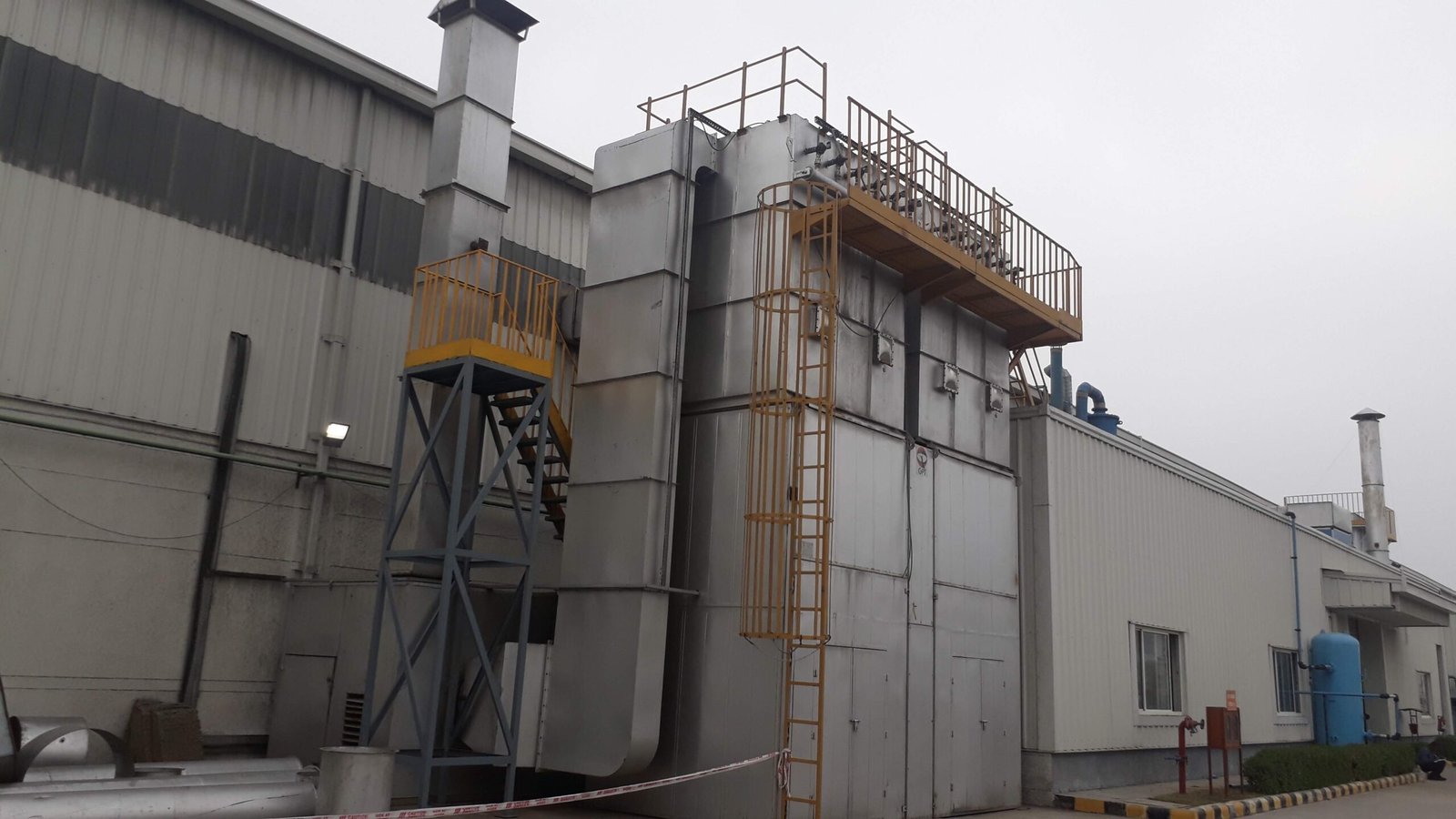
Many factories believe their biggest expenses are visible—raw materials, salaries, electricity, and machinery. These are tracked, optimized, and negotiated regularly. But what if a significant portion of cost is hidden inside daily operations? Dust is one of the most underestimated factors in industrial loss. It does not appear on invoices, yet it quietly reduces productivity, increases maintenance, damages equipment, and lowers overall efficiency. This is why investing in a properly designed Dust Collector is not just about cleanliness; it is about improving real factory performance.
In traditional setups, dust is treated as a housekeeping issue. Workers sweep floors, clean machines, and wipe surfaces multiple times a day. While this approach removes visible dirt, it does not solve the root problem. Dust continues to circulate, settle, and disrupt operations. A Dust Collector changes this completely by capturing particles at the source before they spread.
GPT India helps industrial businesses reduce operational inefficiencies through advanced Dust Collector systems designed for real manufacturing conditions.
One of the biggest hidden costs caused by dust is lost productivity. Workers often stop production tasks to clean their workspace, tools, or machines. These small interruptions may seem insignificant, but across multiple shifts and departments, they add up to hours of lost output every day. A Dust Collector reduces the need for constant cleaning, allowing workers to stay focused on production.
Machine performance is another area where dust creates serious issues. Fine particles settle on motors, bearings, electrical panels, and moving components. Over time, this leads to overheating, wear, and frequent breakdowns. Repair costs increase, and production schedules are disrupted. By removing dust before it reaches sensitive areas, a Dust Collector helps extend machine life and reduce maintenance expenses.
In industries such as woodworking and furniture manufacturing, dust generation is continuous. A Wood Dust Collector is often used alongside central systems to manage high volumes of particulate matter. Without proper control, dust can affect both machinery and finished products, leading to additional costs.
Some factories deal with mixed dust that includes heavier particles. In these cases, a Cyclone Dust Collector is used as a pre-separation stage. It removes larger debris before it reaches the main filtration system, improving efficiency and reducing filter wear.
Worker performance is directly affected by air quality. Dusty environments can cause discomfort, reduce visibility, and increase fatigue. Employees may slow down or lose focus during long shifts. Cleaner air helps maintain consistent performance and improves overall productivity. A Dust Collector plays a key role in creating a healthier work environment.
Another hidden cost is product quality loss. Dust settling on materials during manufacturing or packaging can lead to defects, rework, or customer complaints. This not only wastes time and resources but also affects brand reputation. By maintaining cleaner air, a Dust Collector helps ensure better product consistency.
Airflow is a critical factor in effective dust control. Without proper air movement, dust cannot be captured efficiently. Centrifugal Blowers are commonly used to provide the pressure needed to move dust-laden air through ducts and filtration systems. Proper design ensures that all areas of the factory receive adequate suction.
In high-production environments, maintaining continuous operation is essential. Systems such as Pulse Jet Bag Filter units are often integrated with Dust Collector setups. These systems clean filter bags automatically during operation, ensuring consistent airflow without interrupting production.
Heat and ventilation are also linked to dust control. Dust buildup can block airflow paths and contribute to higher temperatures in enclosed spaces. Integrating solutions such as an Air Washer System can improve air circulation and maintain better working conditions.
Factories that generate fumes or smoke may require additional systems such as a Fume Extraction System or Wet Scrubber. While the Dust Collector handles solid particles, these systems manage gaseous pollutants, creating a complete air management solution.
Energy efficiency is another important benefit. Dust accumulation can reduce the efficiency of machines and ventilation systems, leading to higher energy consumption. By maintaining cleaner conditions, a Dust Collector helps optimize energy use and reduce operational costs.
Many businesses make the mistake of choosing a low-cost Dust Collector without proper planning. If the system is not designed for the specific dust load and factory layout, it may fail to deliver expected results. Poor performance leads to continued cleaning costs and reduced efficiency.
Customization is key to achieving long-term benefits. Every factory has different processes, materials, and production requirements. A properly designed Dust Collector system tailored to these conditions will always perform better than a generic solution.
GPT India focuses on delivering customized Dust Collector solutions based on real industrial needs. By understanding production environments and operational challenges, they design systems that provide long-term efficiency and cost savings.
GPT India is located at 59/2/1, Site 4, Industrial Area, Sahibabad, Ghaziabad, Uttar Pradesh, 201010. Businesses can contact +91-9773500660 or email info@gpt-india.com for expert consultation on dust control systems.
FAQs
What is a Dust Collector?
It is a system designed to capture and remove dust from industrial processes.
How does it reduce costs?
It reduces cleaning labor, maintenance expenses, and production downtime.
Which industries need it?
Woodworking, manufacturing, metal processing, and packaging industries commonly use it.
Can it improve productivity?
Yes, cleaner environments support better worker performance and efficiency.
Why is customization important?
Each factory has unique dust loads and layouts, requiring tailored solutions.
Conclusion
A Dust Collector is not just a cleaning solution—it is a strategic investment in efficiency and cost reduction. By eliminating hidden losses, improving productivity, and protecting equipment, it helps factories achieve higher output and long-term profitability.